
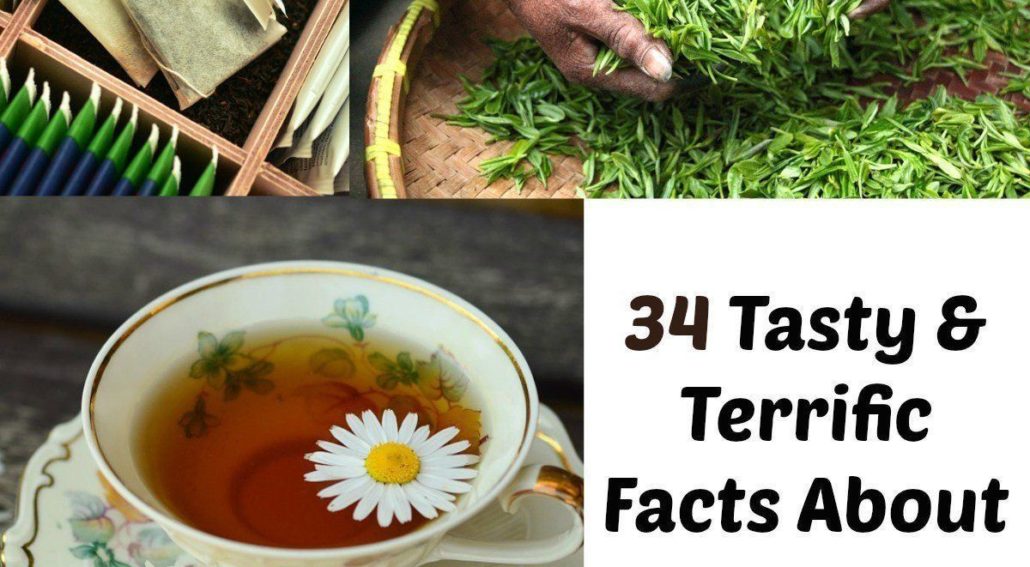
- Growing and harvesting tea is not easy work. It takes over 2,000 tea leaves to make one pound of finished tea.
- Tea has many health benefits. The antioxidants found in green tea extracts, for instance, can help the body to burn fat more efficiently. Enjoying a nice cup of tea can also help you fight off the common cold. Tea drinking Also has been touted as a way to prevent heart attacks.
- Some of the best inventions in history have been the result of accidents. The tea bag was one such ‘happy accident’. In 1908, an American purveyor of teas began distributing samples of his products in small silk pouches. Some people thought that the bag was meant to be used as a metal infuser and just dumped the tea, bag and all, into the teapot. Tea has never been the same!
- Things aren’t always as they seem and history doesn’t always get it right. Although Richard Blechynden is credited with inventing ‘iced tea’ at the 1904 World’s Fair in St. Louis, a cookbook with a recipe for iced tea was published in 1877. Sorry, Richard!
- Have you ever wondered why you don’t get a caffeine crash from drinking tea as you do after too much coffee or too many soft drinks? The reason is that the antioxidants in tea slow down your body’s absorption of caffeine. This gives you a more gentle rise in alertness which lasts longer and drops more slowly, so no crash!
- Believe it or not, there are actually teas that are grown in the United States. There is a well-known tea plantation in Hawaii and one located on an island just off the coast of South Carolina.
- There are four major types of tea. They are black, white, oolong, and green. The interesting thing is that all of these types of tea are products of the same plant, Camellia Sinensis. What makes the difference is how the leaves are treated during processing.
- The discovery of tea as a beverage is, itself, another ‘happy accident’. The story goes that while boiling water in order to purify it for drinking by Emperor Shen Nong, some leaves from a nearby tea plant blew into the pot and went unnoticed. The Emperor, who was also a very knowledgeable herbalist, drank his ‘water’ and was astounded at the taste and the effects of the drink. After that, drinking tea became a commonplace occurrence enjoyed by all.
- Although tea falls into four main categories, there are over 3,000 individual types of tea found all over the globe. This officially makes tea the second most consumed drink in the world, closely following water.
- Storing tea can be problematic. Since it has a tendency to absorb moisture, it is important to store it in a well-sealed container. A sealed container can also ensure that the tea will not be affected by any nearby spices or coffee with strong aromas which can diminish teaís delicate flavors.
- True tea is, of course, made from tea leaves. But what about chamomile or echinacea ‘teas’? These infusions made from herbs, spices, flowers or fruits are actually known as ‘Tisanes’. They usually contain no caffeine and are often used as natural remedies.
- Tea drinkers in the United Kingdom pour down around 62 billion (with a ‘b’) cups of tea each year. That works out to 165 million cups each day!
- Originally, when milk was going to be added to a cup of tea, the milk was poured in first. This was done to protect the delicate china from which the teacups were made. These days no such precaution is required.
- If you’ve ever heard the phrase ‘The Champagne of Teas’ and wondered what was being referenced, it is Darjeeling. It is a highly prized and much-coveted tea not only because of its unique flavor but because of its availability. This tea is grown in a 70 square mile area in India, at the base of the Himalayas.
- Tea is the national drink of both Iran and Afghanistan, although in both countries a large amount of sugar is added to the beverage.
- One-fifth of the world’s tea is grown in Turkey. That’s probably a good thing since Turks are the biggest consumers of tea. The average Turkish tea drinker consumes around seven pounds of tea each year, the highest average in the world.
- We’ve all heard about the occult practice of reading tea leaves to help divine a person’s future. The practice is actually called ‘tasseography’.
- It’s probably no surprise to southerners in the U.S. but 85% of the tea consumed in the United States is in the form of iced tea.
- Tea growing takes some patience. It takes approximately 4 to 12 years for the average tea plant to produce seeds. It then takes 3 years before a plant is ready to be harvested. The good news is that only the top one or two inches of a mature plant, called the ‘flushes’ are harvested at a time. Those ‘flushes’ grow back in 7 to 14 days during the average growing season.
- Although we now know more about the health benefits of drinking tea, in the 17th century some physicians warned people away from it as well as any warm liquors or coffee. The idea was that any beverage which heated up a person’s insides would cause illness or death.
- Boiling water at high altitudes can make brewing tea a tricky business. This issue was addressed with the invention of ‘sherpa tea’. This is a combination of Darjeeling and oolong teas. Something about this combination counters the effects of water which will boil at lower temperatures.
- Unofficially the national beverage of Tibet, ‘po cha’ is a tea-based drink. Yak’s butter is added to the hot tea. This increases the sodium content of the tea and helps keep those living at higher elevations properly hydrated.
- India has given the world the gift of ‘chai’. This is a tea drink with the addition of spices such as cloves or ginger, milk, honey, and vanilla.
- If you want to enjoy the ultimate ‘High Tea’ experience, head to the Ritz Carlton in Hong Kong. The price of a meal for two is over $8,000.
- Different types of teas need to be prepared differently in order to get the most flavor from them. For instance, black teas and herbal teas require higher temperatures (slightly above 200 degrees)than other teas. White and green teas call for a cooler touch, steeping them at 175 degrees to 185 degrees.
- If you make tea using whole leaves, you will notice them uncurling as you pour hot water over them. Colorfully, this is known as ‘the agony of the leaves’.
- Just in case you’ve ever wondered what the most expensive tea bag in the world is worth (and why wouldn’t you?) it is valued at $15,250. The reason is that it is handcrafted and contains 280 diamonds. It was created to raise money for a children’s charity in England.
- As with almost anything, you can over-do your tea consumption at a cost to your health. Black tea contains high concentrations of oxalate which can damage your kidneys and cause renal failure. This was discovered by a gentleman who drank 16 glasses of tea a day.
- One of the most popular teas, Earl Grey, was named for a British diplomat from the nineteenth century. This tea is flavored with oil from the rind of the bergamot fruit.
- Following its introduction in 1657, tea in England had a rough time of it at first. Since it was expensive and was highly taxed, it became a favorite product among smugglers. The government tried to crack down on this illicit trade but ended up just lowering the taxes which made it more affordable to everyone and thus put the smugglers out of business.
- How you buy and store your tea can determine its shelf life. Loose tea will be good for approximately two years if you can avoid light and moisture. If you prefer the convenience of tea bags, be aware that they tend to lose their flavor in about six months.
- Thanks to tea, British culture took an unexpected turn. In 1884 the Aerated Bread Company decided to repurpose one of their unused rooms into a ‘tea room’. It became very popular and the rooms began showing up in larger numbers. It was seen as a gathering place for women outside the home, but in an atmosphere which required to male escort to protect her reputation.
- The tradition of ‘afternoon tea’ came about courtesy of Anna, the seventh Duchess of Bedford in the 1800s. Feeling that the interval between breakfast and dinner was too long without food, she invited guests over for tea and sweet treats.
- We’ve all heard the term ‘Orange Pekoe’ as it pertains to tea, but the truth is that it has nothing to do with actual oranges. It is part of a term used when grading black teas. It got its name from the Dutch House of Orange.
