
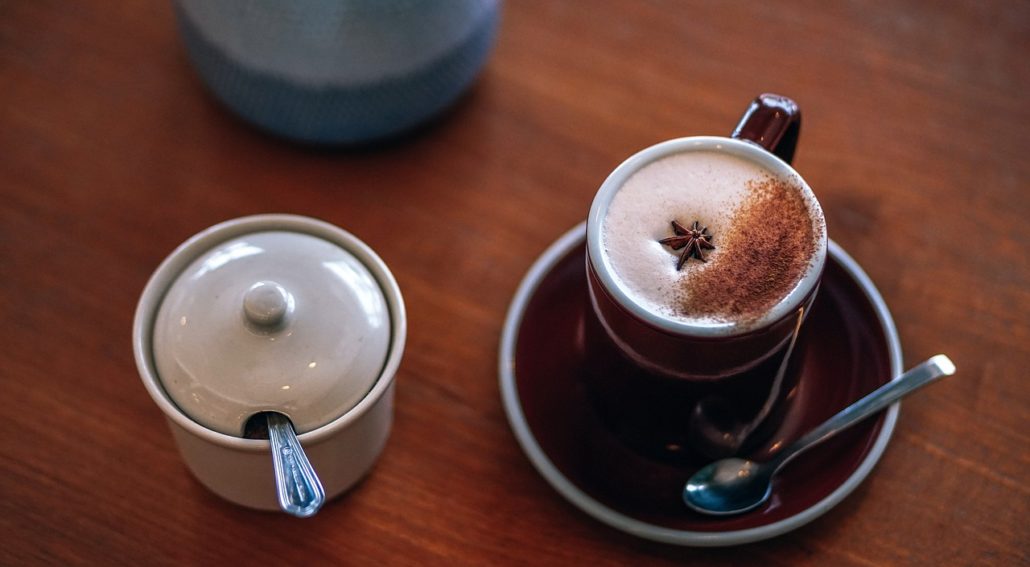
Masala Chai Tea has been a famous drink in India for ages. It has also been popular in North American for a while now, but recently has increased further in popularity. As a result, we thought it was a good time to give our spin on it and offer up some recipes we have found that you can brew at home.
What is Masala Chai anyway? Chai simply means tea in Hindi. Masala chai is a spiced tea that is rich and healthy.
Most Masala Chai begins with either Assam, Darjeeling, or Ceylon black teas.
- Assam: Grown in northeastern India, this tea is full-bodied, dark, and malty. It is used in many tea blends.
- Darjeeling: Grown in the Darjeeling district in West Bengal, India, this tea yields a thin-bodied, light-coloured infusion with a floral aroma.
- Ceylon: Grown in the mountains of Sri Lanka, this tea is lively and bright with citrus notes.
Does the quality of the tea make a large difference? You do not actually need a good Darjeeling, Ceylon or Assam. The cheapest CTC-quality (crush-tear-curl) one you can find will work just fine. You can’t taste any nuances of the tea because of the spices, so no need to waste good tea.
Masala Chai Spices
Conventional chai tea is made by infusing flavors in heated water. Chai can be made with a wide range of spices, but the five most common are cardamom, cinnamon, peppercorns, cloves, and ginger. Some chai mixes also incorporate vanilla bean, nutmeg, coconut, lemon grass, star anise and fennel.
Is it good to experiment? If you choose to brew your own Masala Chai at home, you should feel empowered to experiment with the types and quantities of spices that you add. You may also want to experiment depending on the mood you are in on any particular day. Don’t feel like you have to follow any recipe exactly. Choose the spices you love and leave out the rest.
Masala Chai Recipes
If you are anything like us, you want a simple recipe that you can pull off every time, but also depending on your mood, you might want the freedom to experiment with different spices. With these thoughts in mind, our favorite tea drinkers recommend giving these recipes a try.
Tips, Tricks, And Pitfalls
Before jumping in to the recipes, we wanted to give you a few tips that should hopefully help you make a Masala Chai that you will truly enjoy. Also, if you are interested in learning some fun and tasty facts about tea, check out our Fun Facts blog post.
- Go Easy on the Ginger. It is powerful and can override the other spices if you add too much.
- Cinnamon. Cinnamon is fairly ‘warming’, so depending on your tastes, you might not want to add too much.
- Cloves. After boiling for some time they can create an astringency that you might not particularly like. If you do not, then use less Cloves.
- Milk. The type of milk you use can also be important. It has been said that raw goats milk, when used half-half with water, made chai that was the closest to real Indian chai.
- Sugar? Good raw honey also makes a nice sweetener.
- We prefer to boil the water with spices first, then add the tea and finally add the milk, stirring and bringing the mix to a boil each time. That way the tea is boiled – but not excessively.
- Keep Stirring. Slow stirring for 10 minutes as you add milk, helps to blend all ingredients.
- As you attempt to change quantities with your brewing, remember the loss of water through boiling that will take place.
- In place of 5 cardamom pods (with the seeds removed and crushed), you can instead use about 1/4 teaspoon of ground cardamom.
Indian Masala Chai Recipe
READY IN: 15 mins
YIELDS: 2-3 Cups
INGREDIENTS:
4 whole cloves
2 cardamom pods
1 cinnamon stick, broken into pieces
3 cups water
1⁄4 teaspoon ground ginger
1⁄8 teaspoon fresh ground black pepper
1⁄2 cup milk
2 tablespoons granulated sugar (Honey is a great healthy substitute)
2 tablespoons black tea (caffeine or decaf, your choice)
DIRECTIONS:
In a mortar, crush the cloves, cardamom pods and cinnamon, or use a coffee grinder.
Transfer the crushed spices to a small saucepan, add the water, ginger and pepper and bring to a boil.
Remove the pan from the heat, cover and let steep for 5 minutes.
Add the milk and sugar to the pan and bring to a boil.
Remove from the heat and add the tea.
Cover and let steep for 3 minutes.
Stir the chai, then strain it into a warmed teapot or directly into teacups.
A Fun Recipe
Heaping tsp of CTC tea (Any CTC tea really)
Half cup milk
3/4 cup water
2 tsp sugar (Kerala people like it sweet)
Spices: 5 part cardomom (shelled and seeds only)
3 part cinnamon (whole, then ground)
2 part ginger (grated fresh)
2 part nutmeg (ground)
2 part cloves (ground)
1 part black pepper (ground)
Grind these spices with a mortar and pestle
DIRECTIONS:
Boil your water and 1 tsp (or more depending on your taste) of the spices. Once boiled, add the tea. Simmer on low heat, covered for 1-3 minutes depending on how strong you want it. Add milk and sugar, turn on high heat. Once the chai bubbles and almost overflows all the way to the top, turn the temp to low. Then turn it back on high again, and let it bubble to the top once more. Do this rise and fall process 3 times.
Strain into a cup. All finished. Drink up.
Not interested in finding spices and brewing your own? We found this instant one from Nature’s Guru to be pretty good if you would like to try it.
Interested to Watch a Professional Do It? Check out the below video.
Health Effects
| You would have to drink three cups of chai tea to achieve the same amount of caffeine you get in a single cup of coffee. And this ratio increases to 5:1 or 6:1 when you compare chai to strong coffee. By virtue of this fact alone, switching to chai will cut your caffeine intake dramatically, even if you have an extra cup. Unlike coffee, chai has many inherently beneficial properties. The black tea in chai is rich in antioxidants and the spices in chai have been used for thousands of years to promote general health and well-being, as well as to treat various ailments. According to Ayurvedic (Ancient Indian) philosophy and medicine, these spices are considered to be “sattvic,” or calming, vitalizing and mentally clarifying – The perfect antidote to the stresses of modern life! Consider these traditional uses: Cinnamon Cinnamon is thought to increase circulation and open breathing, increase awareness and vitality, and reduce fatigue. Cardamom A popular spice in both the Indian and Chinese preparations, cardamom is said to benefit the lungs, kidneys, and heart. It is also a mood elevator. Clove Native to the spice islands of Indonesia, cloves have pain-relieving and antiseptic attributes. Like pepper and ginger, clove is also used to synergistically increase the potency of other herbal blends. Black Pepper Widely used to support circulation and metabolism, black pepper can help to alleviate chronically feeling cold. Nutmeg Nutmeg has been used for centuries to ease sciatica and promote the digestion of heavy foods. It was also used by ancient Arab physicians to treat kidney and lymph problems. Chinese Star Anise Traditional Asian herbalists credit star anise with a variety of properties. It’s used frequently as a cough remedy and to freshen the breath. Ginger Long valued as a stimulant for the circulatory and the immune systems, ginger has been used to treat such disparate conditions as impotence and motion sickness. Fennel An important medicinal plant in the royal herb gardens of medieval France and Germany, fennel is still widely used to treat both kidney and ocular problems, as well as laryngitis. |
